After a hurricane, a homeowner can face two very different questions: “Will FEMA help?” and “How do I pay the insurance deductible?” The short answer is that FEMA may provide assistance for certain eligible disaster-related needs, but it generally does not simply pay your homeowners insurance deductible. A FEMA decision depends on your circumstances, the damage, and the assistance program’s rules—not just the size of your insurance bill.
That distinction matters in Florida, where hurricane deductibles are usually percentage-based. A deductible that looks modest on a policy declarations page can turn into a five-figure cash obligation once it is calculated against the home’s insured value. And even if you may qualify for assistance, disaster assistance timing can be uncertain while contractors, banks, and insurers are all dealing with a surge in demand.
This guide explains how hurricane deductibles work, what FEMA assistance may and may not cover, and how to think about gap funding without counting on money that has not been approved.
How a Florida Hurricane Deductible Works
A standard homeowners deductible is often a flat dollar amount. A hurricane deductible is commonly different: it is stated as a percentage of the home’s insured value, usually the dwelling coverage limit shown in the policy. It is not necessarily a percentage of the repair estimate or the amount of damage.
Common hurricane deductible options: 2%, 5%, 10%
Here is a simplified example. Suppose a home has $400,000 in dwelling coverage and a 5% hurricane deductible. If the policy’s hurricane deductible applies to the claim, the homeowner may be responsible for the first $20,000 of covered hurricane damage before the insurer pays its share, subject to the policy terms and claim details.
Dwelling coverage 2% deductible 5% deductible 10% deductible $300,000 $6,000 $15,000 $30,000 $400,000 $8,000 $20,000 $40,000 $600,000 $12,000 $30,000 $60,000This is illustrative math, not a coverage determination. The policy defines when the hurricane deductible applies, how it is calculated, and what losses qualify. Read the declarations page and policy language, and ask your insurer or agent to explain the deductible before a storm if anything is unclear.
Does FEMA Pay the Hurricane Deductible?
Usually, you should not expect FEMA to reimburse your insurance deductible simply because you had to pay it. FEMA Individual Assistance is intended to address eligible disaster-related needs under program rules. It is not a substitute for homeowners insurance, and approval is not automatic.
Depending on the disaster declaration and your situation, assistance may be available for certain essential needs, temporary housing, or repairs needed to make a primary residence safe and livable. The specific programs, amounts, and requirements can vary. FEMA may also consider whether insurance or another resource can meet the need. Assistance is generally limited, and it may not cover every loss or restore a home to its pre-disaster condition.
That is why a large deductible does not, by itself, guarantee a FEMA payment. A FEMA decision is made under applicable eligibility rules and based on information about the damage, your household, insurance, and other resources. Apply if you may qualify, provide requested documentation, and keep records—but make a separate plan for the deductible and other costs while you wait.
What FEMA assistance is not
- Not a promise to pay the policy deductible: A deductible is a cost-sharing feature of your insurance contract. FEMA assistance is governed by separate rules. Not a replacement for insurance: Homeowners are generally expected to use available insurance coverage for covered losses. Not guaranteed or immediate: Eligibility, documentation, and processing affect both the outcome and timing. Not a blank check for repairs: Assistance is limited to eligible purposes and program caps.
Why the Deductible Can Create a Five-Figure Cash Gap
In a major storm, the deductible is only one part of the early cash pressure. A homeowner may need to pay for temporary lodging, water extraction, tarping, tree removal, debris hauling, food, transportation, or urgent repairs before insurance proceeds arrive. Some expenses may be reimbursable under a policy, some may not be, and some may be addressed through disaster programs only if the household qualifies.
The deductible math can still be the most visible gap. In the example above, a 5% deductible on $400,000 of dwelling coverage produces a $20,000 amount to plan around. A household that has emergency savings for a few months of regular bills may not have that much readily available for storm repairs.
There can also be a timing mismatch. Contractors may require deposits or payment for emergency work. Insurers may need inspections, estimates, and additional documentation before issuing or finalizing payments. FEMA’s review is separate. The homeowner can therefore be responsible for making decisions before knowing the final insurance settlement or receiving a FEMA decision.
Disaster Assistance Timing: Plan for Uncertainty
After a disaster, agencies and insurers may be processing a high volume of claims. Wait, what?. There is no reliable way to assume that an application, inspection, or payment will happen on a particular date. Documentation gaps, damage complexity, insurance questions, and changing repair estimates can all affect the timeline.

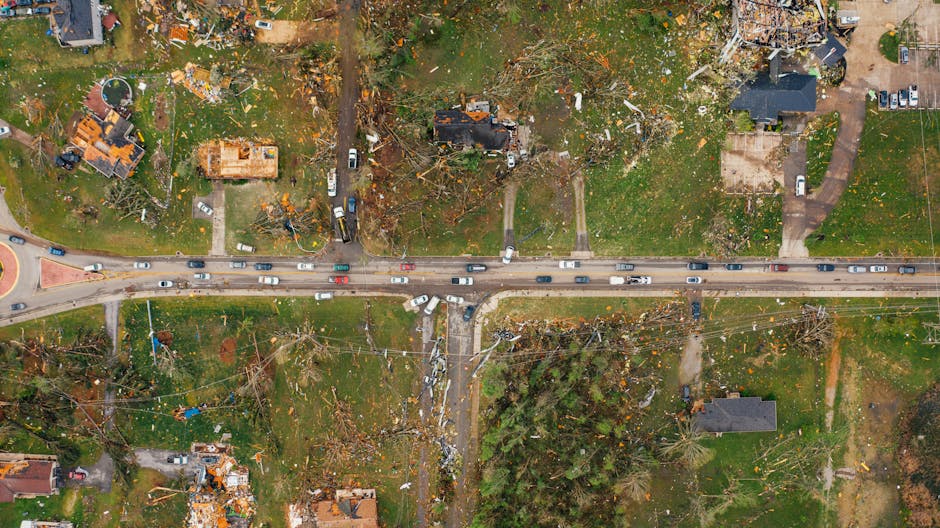
At the same time, local businesses are under pressure. Contractors may have limited crews, suppliers may be backlogged, and prices or availability can change. Banks and lenders may also tighten procedures or face service disruptions. Post-storm liquidity is constrained precisely when households need quick access to money.
For planning purposes, treat possible FEMA funds and future insurance payments as uncertain until approved and available. That does not mean you should skip an application or delay a legitimate claim. It means you should avoid committing money you do not yet have, especially for work that is not urgent or clearly documented.
Gap Funding: Options and Trade-Offs
Gap funding is the money you need to bridge the period between immediate expenses and confirmed insurance or assistance proceeds. There is no single best source. The right choice depends on your cash reserves, borrowing costs, repayment ability, and the urgency of the work.
Start with cash flow and the claim file
- List the deductible and urgent out-of-pocket costs separately from longer-term repair estimates. Keep receipts, photographs, estimates, invoices, and proof of payments. Ask the insurer how the hurricane deductible applies and what documentation is needed for the claim. Ask FEMA or the relevant disaster-assistance program what documents are required and what expenses may be eligible. Prioritize safety and mitigation, and be cautious about signing broad or unclear contractor agreements under pressure.
Be careful with HELOCs and new credit
A home equity line of credit (HELOC) or new loan can be a possible source of funds, but it may not be available quickly. Lenders may require appraisals, income verification, title checks, underwriting, or a review of the property’s condition. After a disaster, a lender may pause applications, limit advances, or take longer to process them. A damaged home can also complicate a new loan or line of credit.
Do not assume you can open or draw on a HELOC after the storm. If you are considering one before hurricane season, compare the rate, fees, repayment terms, and risks while the home and records are in order. Exactly.. Borrowing against a home to cover a short-term gap can create a longer-term obligation, so calculate the payment you can sustain even if insurance or assistance is delayed.
Consider other sources carefully
Some households use savings, help from family, a payment plan with a contractor, or a short-term loan. Each option has trade-offs. Verify the total cost, due dates, and consequences of missed payments. Avoid high-pressure offers and be wary of anyone promising guaranteed FEMA approval, guaranteed insurance results, or immediate money for an upfront fee.
Some people also explore asset-based borrowing. For example, a collateral loan can use a watch held as security. Companies such as Diamond Banc may be considered by consumers researching jewelry or watch-backed lending. This is a specialized financing choice, not FEMA assistance, and it is not right for everyone. Before pledging an asset, understand the loan amount, interest and fees, storage and insurance arrangements, repayment deadline, default consequences, and how the item is valued.
For a watch-backed loan, a lender’s offer may not match what the watch could sell for in another setting. Secondary market pricing trackers such as WatchCharts can provide reference points on market trends, but they do not guarantee a loan value or sale price. The watch’s model, condition, completeness, demand, and the lender’s policies all matter. Compare the full terms rather than focusing only on the cash offered.
Morgan Stanley is another name consumers may encounter when researching broader wealth management or financial planning. A conversation with a financial professional can help put liquidity choices in context, but it does not replace reviewing the loan contract, insurance policy, or FEMA eligibility rules.
A Practical Sequence After a Hurricane
Make the property safe. Follow local emergency guidance and address immediate hazards. Document damage before cleanup when it is safe to do so. Contact your insurer. Report the claim promptly, confirm the deductible, and ask what emergency measures are covered and how to document them. Apply for disaster assistance if appropriate. Use official channels, keep your application details, and respond to requests for information. Build a cash-gap worksheet. Put the deductible, urgent expenses, available savings, expected bills, and likely payment dates in one place. Mark uncertain funds clearly. Get written repair estimates. Compare scope, timelines, deposits, payment schedules, and licensing or insurance information. Choose financing only after comparing costs. Include interest, fees, repayment dates, collateral risk, and what happens if the insurance settlement is delayed or lower than expected. Keep a complete paper trail. Save claim correspondence, receipts, contracts, photographs, FEMA notices, and lender documents.The Bottom Line
FEMA may help with certain eligible disaster-related needs, but homeowners should not count on it miamiweekly.com to pay a hurricane deductible. In Florida, percentage-based deductibles of 2%, 5%, or 10% can translate into thousands—or tens of thousands—of dollars. That can create a significant cash gap before insurance, assistance, or financing is available.
Plan around what you can verify, not what you hope will arrive. Review your policy before storm season, keep an emergency reserve where possible, and learn which credit options are realistically available before a disaster. After a storm, expect delays: banks and contractors may be stretched, HELOCs and new credit may be slow or paused, and disaster assistance timing can vary. A careful plan for gap funding can help you make safer decisions while you wait for a FEMA decision and a clear insurance settlement.