In my 11 years producing corporate events across Sydney—from high-stakes government forums at the ICC to intimate product launches in the Rocks—I have learned one golden rule: a VIP is only as happy as their last photo interaction. Nothing disrupts the flow of a networking session or a high-end awards night faster than an aggressive photographer pushing a lens into a guest’s face while they’re mid-canapé.
As a producer, my reputation is tied to the quality of the assets delivered, but more importantly, to the comfort of the stakeholders I’m tasked with hosting. If you want high-quality VIP engagement photos without making your guests feel like they’re being hounded by paparazzi, you need a strategy that prioritizes discretion, professional etiquette, and a solid chain of control.

The Production Mindset: Where Are These Assets Going?
Before you even brief your Sydney corporate photography services provider, you need to answer the most critical question: Where will these files be edited and stored?
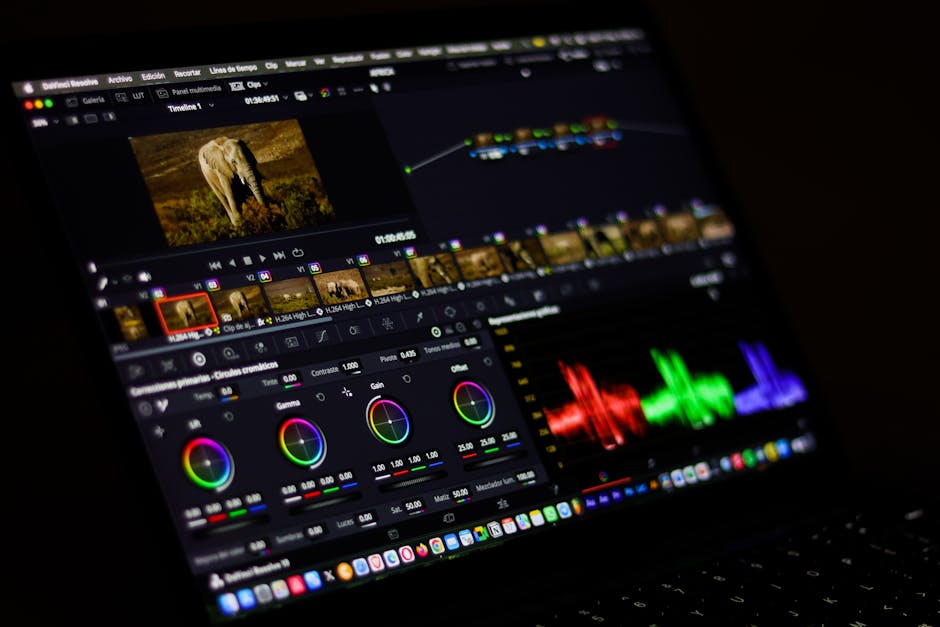
If you don’t have a clear answer, you’re setting yourself up for a nightmare. I’ve seen too many projects derailed by offshored editing teams with zero context for the sensitivity of government or corporate images. When you’re dealing with high-profile guests, you need in-house editing and a clear chain of control. You want to know exactly who is handling those files from the moment the shutter clicks to the moment they hit your PR department’s desk.
The Strategy: Discreet Photography and Media Wall Etiquette
The goal is to capture the "money shot" without the guest feeling like they’ve been trapped. Here is how we manage this effectively:
1. Master the Media Wall Etiquette
Media walls are often the biggest pain point. Guests feel exposed, the lighting is often harsh, and there’s always a queue. To avoid this:
- Designate a "Handler": Don't leave the photographer to manage the crowd. Have a staff member brief guests *before* they approach the wall. The "Three-Click" Rule: Instruct your photographer to take no more than three photos per person. Anything more, and you create a bottleneck that breeds resentment. Lighting Matters: Invest in soft, flattering lighting rather than aggressive on-camera flash. If the guest looks good immediately, they’ll be happier to move on.
2. The "Fly-on-the-Wall" Approach for VIPs
True discreet photography happens when the guest doesn't realize they’re being captured. For networking segments, I always brief my photographers to use prime lenses with wider apertures. This allows them to stay back, use natural light, and capture candid moments without encroaching on personal space.
Note: I keep a running checklist for VIP shots and group photos. If a CEO is in the room, they are on my list. I track the "VIP shot" status in real-time, ensuring we don’t miss the essential handshakes or keynote reaction shots that stakeholders demand.
Choosing the Right Media Partner
When interviewing agencies, I have little patience for providers who oversell their gear list instead of the outcome. A 60-megapixel camera means nothing if the operator doesn't understand the cadence of a formal event. You want partners who specialize in Event photography and have the flexibility to offer a Hybrid photo and video approach (project-dependent).
What to Look For:
Feature Why it matters In-house editing Ensures your brand standards are met and privacy is maintained. On-site media room Essential for tight deadlines during multi-day conferences. Client-first brief They should ask you about the end-use, not just the camera settings.Bridging the Gap: Event Videography and Highlight Reels
While photography captures the moment, event videography and highlight reels tell the story. However, videography is more intrusive by nature. To mitigate this:
Sync your teams: Ensure your video and photo teams are communicating. There is nothing worse than a videographer walking into a photographer's frame. Minimize the rig: Use smaller, low-profile video setups for roaming segments. Save the gimbal rigs and heavy cinema cameras for the keynote stage where they are expected. Audio considerations: If you're doing short interviews, ensure they are scheduled in a quiet breakout space, not in the middle of the cocktail function.The "Sydney Standard": Avoiding Pitfalls
After over a decade in this industry, I’ve learned to spot the red flags instantly. If a vendor makes vague turnaround promises ("We'll get them to you sometime next week"), run the other way. In the corporate world, speed is currency.
Furthermore, avoid any company that pushes offshored editing. You need a vendor who understands the sensitivity of Australian corporate culture. When you label everything by venue and session time, you ensure that even if the event goes off the rails, you have a perfectly organized asset library ready for the debrief.
Final Checklist for Producers:
- Verify the storage protocol: Where are the RAW files being backed up? Confirm the "No-Go" zone: Identify which areas of the event are strictly off-camera. Check the brief: Does the photographer know exactly which VIPs are attending and why they are there? Review the workflow: Is there a clear path from camera to cloud for real-time approvals?
Handling VIPs is about balancing the need for marketing assets with the reality of human behavior. By keeping the process structured, transparent, and—above all—respectful of the guest's neonmarketplace.nsw.gov.au space, you ensure that your event is remembered for its professional atmosphere, not its intrusive media team.
Remember: If you’re not tracking your assets, you’re not managing your event. Keep your checklists tight, label your folders, and always, always keep the editing in-house.