So, you’ve got a Rolex sitting in your drawer gathering dust. You never wear it, and maybe you’re thinking it’s time to let it go. But how do you make sure you get a fair price without getting lowballed? Selling a pre-owned Rolex isn’t as simple as posting a photo online or quoting your insurance appraisal. There’s a lot that goes into understanding its true value. This clean checklist walks you through the critical steps—from gathering box and papers to comparing offers from dealer and collector networks like Diamond Banc, or catching local experts featured in places like The Daily Sundial from CSUN or Cosmic Press.
Why Insurance Appraisal ≠ Resale Reality
Here’s a pet peeve from my years in the resale world: the phrase “it’s worth whatever the insurance says.” It drives me nuts. Insurance appraisals are made for coverage replacement cost. They calculate what it would cost to replace your watch if lost or stolen, often at retail price or even a bit above retail. But resale? That’s a whole different animal.
When you’re selling, buyers are less interested in retail replacement values and more focused on several real-world factors:
- Recent actual sales of similar Rolexes Condition and originality Market demand and trends Authentication and documentation
Think of it like this: your homeowner’s policy paperwork might say your Rolex is insured for $10,000. But if the last three sales of your exact model and condition went for $8,000, that’s your reality check. Always ask yourself, “What did it actually sell for last month?” before setting expectations.
Step 1: Gather Box, Papers, and Service History
Before you reach out to a buyer, get everything organized. Missing papers or service records can tank your offers.
Box & Packaging: The original Rolex box, outer box, and any accessories add perceived value. Collectors and dealers appreciate a watch that comes “complete.” Warranty & Papers: Authentic warranty cards, manuals, and certificates of authenticity authenticate your Rolex’s provenance. Service Records: Maintenance history—especially from authorized Rolex service centers—can improve buyer confidence and value. Conversely, replaced parts should be clearly documented, as they can affect originality and price.Checklist for your records:
- Original Rolex box and outer box Warranty card or paper certificate User manuals Service and repair receipts Any extra links or accessories purchased
Step 2: Authenticate Details, Because Reference Number Is Not the Whole Story
In my experience, a common misunderstanding is assuming the Rolex reference number tells the whole story. While it identifies the model and variation (e.g., a Submariner 116610LN), it doesn’t capture modifications, originality, or dial/text variations—which can significantly affect value.
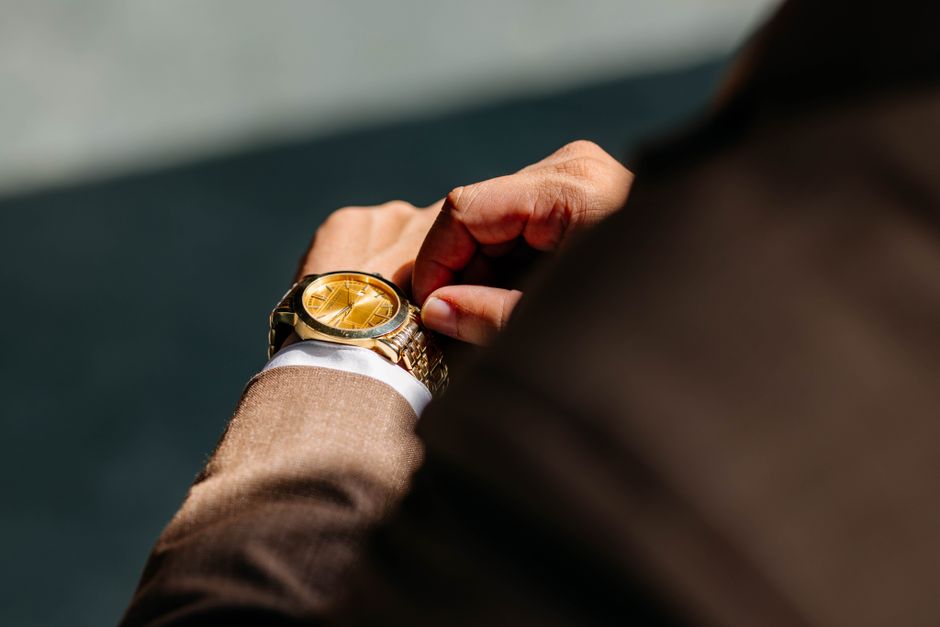
What to authenticate?
- Serial Number Matching: Ensure the serial number matches the paperwork and case between lugs. This confirms the watch’s legitimacy and its manufacturing date. Dial & Hands: Dial variations, such as “Maxi” dials, rare prints, or patina, are critical. Original dials versus aftermarket replacements dramatically shift value. Movement & Parts: Confirm the movement is correct for the model, and check for replaced or non-original parts. For example, swapped bezels or bracelets can reduce collector interest. Condition Assessment: Evaluate scratches, polishing history, and overall wear. Over-polishing can erode original lines and devalue the piece.
Authenticating your Rolex’s specifics might require a reputable watchmaker or jeweler experienced in vintage and modern Rolexes. Local sellers or consignors like Cosmic what drives rolex prices Press often provide authentication services and inspection prior to buying.
Step 3: Compare Offers from Dealer and Collector Networks
Once you’ve gathered papers and completed authentication, don’t jump at the first offer. The watch resale market benefits from a network approach. Here’s why and how:
Why Compare Offers?
- Dealer vs Collector Prices: Dealers like Diamond Banc need margin to resell but offer ease and speed. Collectors might offer more for rarity and originality but are less immediate. Market Movement: Watch prices can fluctuate. Offers today versus next month might differ based on demand spikes. Different Priorities: Some buyers prioritize condition, others originality or box and papers. Comparing helps you identify which aspects add value to your watch.
How to Compare?
Request Written Offers: Ask dealers and collectors to provide offer letters based on your provided information and images. Provide Complete Info: Share all documents and condition notes upfront to avoid surprises and lowballs. Use a Trusted Broker or Specialist: A professional with years in resale, like those found through university network features like in the Daily Sundial from CSUN, can help negotiate or advise. Check Online Marketplaces: Platforms where actual sales occur can offer insight into recent sale prices, supplementing offers you receive. Offer Source Pros Cons Average Timeframe Diamond Banc (Dealer) Fast payout, streamlined process, offers based on verified authentication Lower offer due to dealer markup needs 1-3 days Collector Network Higher bids possible, particularly for rare/original pieces Longer negotiation, payment timelines 1-2 weeks Local Jeweler / Auction In-person inspection, potential for local demand spikes Commission fees, variable results 2-6 weeksBonus Tip: Keep a Clean Record of Every Transaction Step
Whether you’re selling to a local dealer, consigning through auction, or private selling, rolex reference number lookup record all communications, receipts, and authentication paperwork. This transparency minimizes confusion and maximizes trust—especially when dealing with secondhand luxury.
Summary: The Clean Checklist
If you want to optimize your Rolex sell without regret, follow this checklist:
Gather box, papers, warranty cards, and service history. Authenticate every detail: serials, dial, parts, condition. Compare multiple offers from trusted dealer and collector networks. Don’t treat insurance appraisals as resale value. Keep all documentation and communication clean and organized.Remember, the true question isn’t what your Rolex is "worth" as per insurance, or even list prices—but what it actually sold for recently in the market. And if you want expert local perspectives or authentication help, publications like The Daily Sundial (CSUN) and companies featured in Cosmic Press specialize in that space.

When timed right, with paperwork in order and the right offer, selling your Rolex can be rewarding—financially and logistically.
Good luck! And if you want advice on pricing heirlooms before you sell, my side gig is dedicated to keeping offers honest and clear.